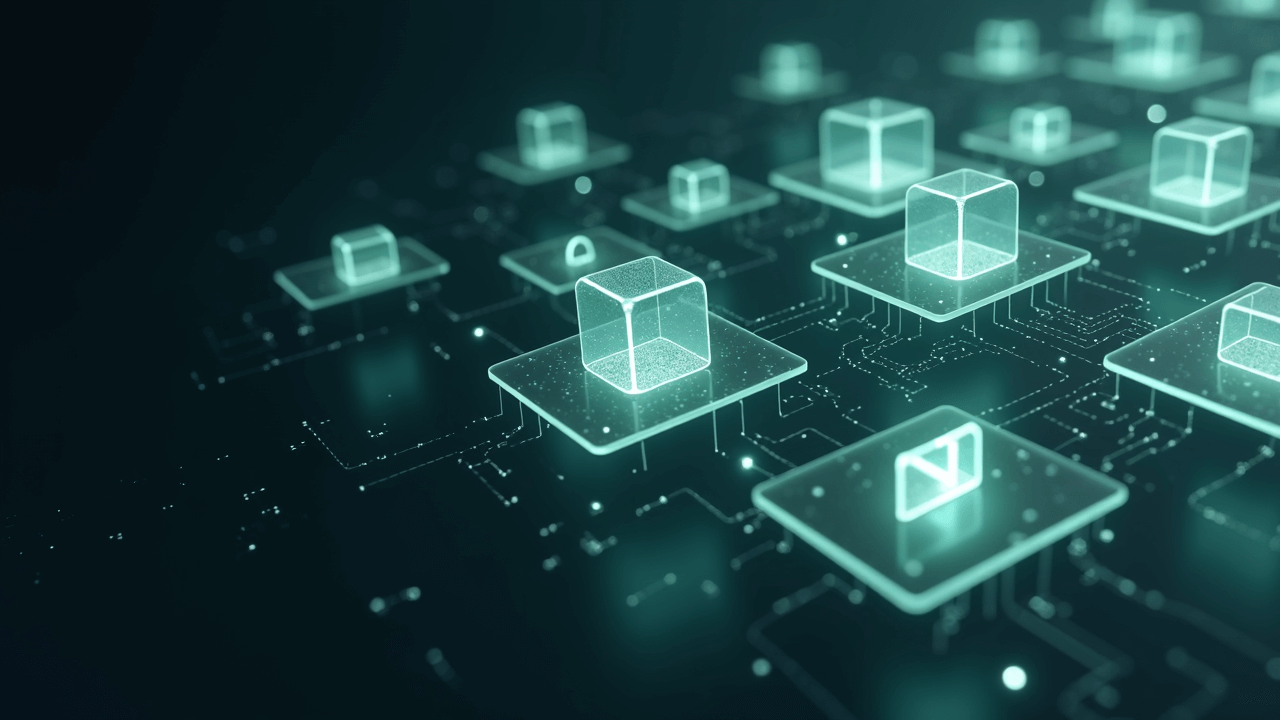
Agents Don’t Execute, They Explore
Agents search through options. They try a fix, run tests, inspect output, and then decide whether to keep going or roll back. Traditional container execution makes that painful because state is temporary and hard to restore. ConTree makes exploration the default.
Execution Results As Artifacts
In ConTree, every command can produce a new immutable image. That means execution results are not just logs or stdout - they are tangible artifacts you can reuse, inspect, and branch from. If a run produces the right output, you keep it. If it fails, you discard it without losing the baseline.
Branching Makes Hypotheses Cheap
Agents often need to verify multiple hypotheses:
- Two competing fixes for a failing test.
- Several candidate prompts for a brittle tool.
- Multiple data transformations before a model fit.
ConTree allows branching from a known checkpoint, so each hypothesis starts clean and independent. No manual cleanup. No hidden state. Just a new branch you can compare against others.
Parallel Execution For Faster Verification
The biggest time sink in agent loops is sequential verification. Run one idea, wait, then try the next. ConTree removes that bottleneck by letting agents execute multiple branches in parallel and pick the winner. That turns slow trial‑and‑error into fast, structured exploration.
Immutable Artifacts Build Trust
When outputs are immutable, agents can trust what they see. Test results, generated files, and intermediate states won’t mutate underfoot. This makes debugging faster and reduces the risk of heisenbugs caused by accidental state drift.
Takeaway
ConTree is needed because agent workflows are fundamentally different from traditional execution. Agents need artifacts, branching, and parallel verification. ConTree makes those capabilities first‑class, so the agent can focus on solving the task - not fighting the environment.